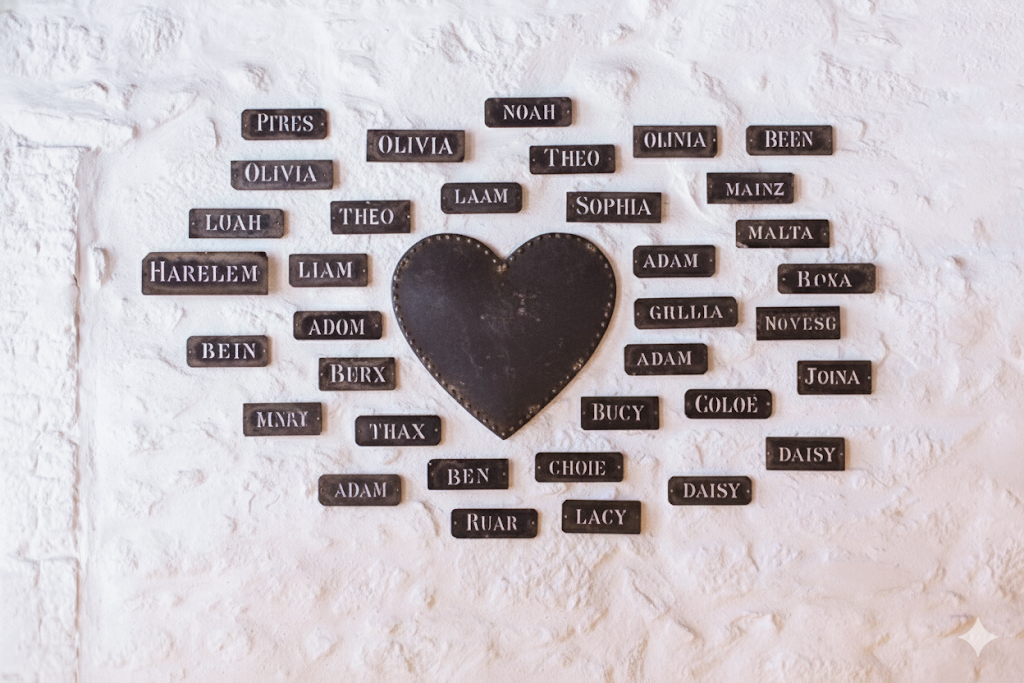
Choosing a baby name feels both joyful and weighty. Every parent dreams of finding a name that fits their child perfectly, a name that sounds beautiful, carries meaning, and connects to family traditions or personal stories. For many, the search involves balancing uniqueness with familiarity, hoping the final choice feels just right when it’s spoken aloud for the first time.
Key Takeaways
- Finding the right baby name blends personal taste, emotional connection, and cultural influence.
- Certain names feel timeless, while others reflect modern trends or personal memories.
- The most meaningful baby names often have stories or inspirations behind them.
How Parents Choose the Perfect Baby Name
For many expecting parents, picking the right name can be surprisingly emotional. Some start with long lists on their phones, names saved for years, ideas collected from books, movies, or special people in their lives. Others narrow their choices through conversation and instinct.
One couple shared that while one partner had a running list of names since childhood, the other didn’t think about names much until pregnancy. Together, they found joy in sharing ideas, debating meanings, and crossing off options that didn’t feel right.
Interestingly, one of the most common reasons names got eliminated wasn’t dislike, it was familiarity. Knowing someone personally with that name, even if the person was kind, made it difficult to picture their child having the same identity. This happens often, especially in small towns where every name feels attached to a familiar face.
The Beauty of Names That Flow
When parents choose names for siblings, they often want them to sound like they belong together. A cohesive set of names creates a sense of unity within the family. Some lean toward shorter, trendier options, while others prefer longer, more traditional names that sound elegant and enduring.
Names such as Cordell, Bennett, and Finnegan highlight this balance beautifully. Each carries an old-fashioned charm yet feels fresh for a new generation. The reasoning behind skipping them wasn’t dislike, it was simply about finding the name that felt most authentic to their family’s style.
Finnegan, for instance, was once a top favorite but was later used for the family dog. While it’s a name filled with warmth and charm, naming a baby after a pet didn’t feel right to them. It’s a funny reminder that sometimes life makes the decision for you.
Names That Almost Made the List
Every parent has names that come close but don’t quite make the final cut. Here are a few that were loved but ultimately set aside:
- Nash – short, strong, and modern, but the word’s meaning (“to gnash one’s teeth”) made it hard to separate from its literal sense.
- Canton – had a clean, classic tone but didn’t match the rest of the names in rhythm or feeling.
- Everest – a powerful name inspired by adventure, but it felt strange to name a child after a personal accomplishment. The couple had hiked to the base of Mount Everest before pregnancy, and though family encouraged the name, it felt more like a story than a name.
The conversation around Everest reveals an interesting truth about naming: meaning matters, but so does comfort. While it was symbolic, the name didn’t feel like a perfect fit. They even considered variations like Everett, which softened the tone but still didn’t land emotionally.
Finding Inspiration in Books and Stories
Books often provide endless inspiration for baby names. Literary favorites like Cassian, drawn from the fantasy series A Court of Thorns and Roses, stood out as bold and distinctive. However, for those who love reading, strong associations with fictional characters can make it tricky to use a name in real life.
Cassian, while striking, was too closely tied to its fictional roots. The couple realized they couldn’t separate the name from the story that made it beloved in the first place.
Similarly, Jorah, known from literature and mythology, carried a sense of timeless wisdom but didn’t quite match the family’s overall naming “vibe.” It felt a little more ancient or traditional than the rest.
These examples show how inspiration can come from anywhere—books, movies, or travels—but the emotional connection must feel genuine and personal.
Balancing Style, Meaning, and Flow
Parents often think about how a name sounds when spoken alongside their last name or when said out loud affectionately. It’s also common to imagine nicknames that might come from it.
Names like Sawyer and Ryder offered that charming Southern appeal many families love. Sawyer had a gentle, literary feel, while Ryder carried energy and confidence. However, “Ryder” felt a bit too literal—too “cowboy rider”—for their taste.
Milo, short and sweet, came close to staying on the list. It’s friendly, warm, and modern. Yet, in the end, slightly longer names felt more fitting for their desired style—something “Southern, classy, and timeless.”
This decision-making process reflects a universal truth: the perfect name balances emotional connection with sound, length, and flow.
What Makes a Baby Name Stand Out
When parents describe a name that feels right, it usually meets a few emotional and practical checkpoints:
- It feels unique without sounding forced.
Parents want something special but still pronounceable and familiar. - It fits the family’s overall tone.
Sibling names should sound harmonious when said together. - It carries positive memories or meanings.
Sometimes it’s tied to a place, a moment, or a loved one. - It ages well.
The name should suit a baby, a teenager, and an adult equally well.
These principles help explain why parents spend so much time debating and testing options aloud.
💡 Name Inspiration Tip:
Struggling to find a name that fits your vibe? Try NameLulu.com 👇NameLulu is a smart baby name generator that helps parents discover names by style, length, origin, or even mood. It’s a fun and easy way to uncover names you may never have considered before. It also helps parents to hear how names sound in different pronunciations, which can be a game-changer.
The Emotional Side of Choosing a Name
While spreadsheets, lists, and popularity charts can help, naming a baby often comes down to instinct. Parents might say a name out loud and just know that it sounds right, feels warm, and fits their vision of their child.
This intuitive process explains why many wait until birth to decide. Seeing their baby for the first time often brings clarity that months of discussion couldn’t.
Conclusion
Choosing a baby name blends heart, history, and imagination. While some names hold deep personal meaning and others just “sound right,” the perfect choice often feels effortless once it’s found. Whether parents lean toward classic charm or modern creativity, what matters most is that the name fits the love and identity they see in their child.
FAQs
1. How should parents start their list of baby names?
Begin by writing down every name that feels appealing, even if it’s just a passing thought. Later, narrow the list by saying them aloud and pairing them with the last name.
2. What makes a baby name timeless?
A timeless name often feels familiar but not overused. Names like Benjamin, Eleanor, or Amelia have balanced elegance and longevity.
3. How do couples agree on a name?
Communication helps. Sharing reasoning and being open to each other’s associations can make the process smoother.
4. Should parents worry about popularity rankings?
Not necessarily. Popularity lists can be helpful, but the emotional connection to a name is far more important than statistics.
5. What are current baby name trends for boys?
Names like Hudson, Rowan, Asher, and Silas are growing in popularity due to their classic yet distinctive charm.